2 October 2026
The best small hotels in Pärnu — and why Marea keeps its 24 rooms on purpose
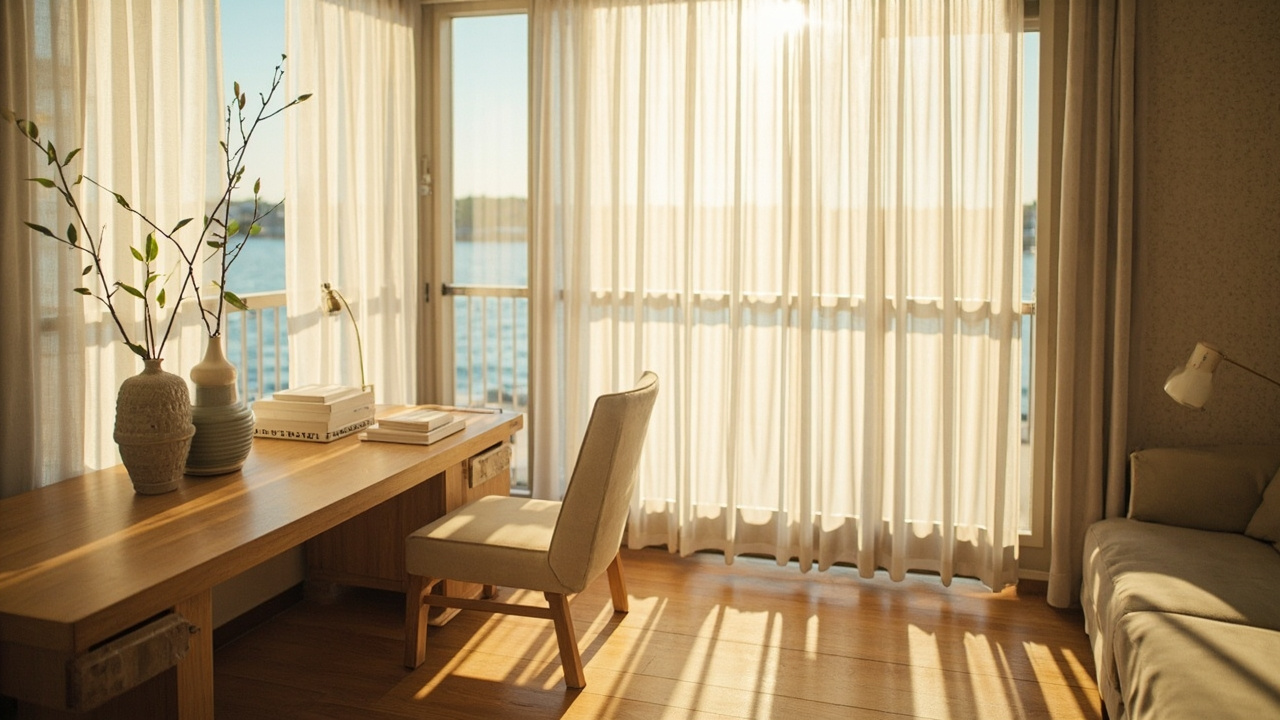
Pärnu has beachfront resorts with 200 rooms and conference halls — and then it has a handful of places like Marea, with 24 rooms, a courtyard garden and a sauna that stays open late. Here is how the small hotels on the Estonian coast really compare, and who each one is for.
If you are looking for the best small hotel in Pärnu for a 3-night August weekend, the short answer is this: pick a property with under 30 rooms, a courtyard or sea-facing room within two minutes of the sand, breakfast and shared sauna hours in the rate, and direct booking by email rather than through an OTA. Everything else is taste. The next 2,800 words break down how the small-hotel end of Pärnu's market actually works in 2026, where Marea sits inside it, and how to read the room types and rates without getting lost in marketing language.
Table of contents
- Key takeaways
- What counts as a 'small hotel' in Pärnu
- Where is Marea, and how close to the beach do you actually get?
- What room types do small hotels in Pärnu offer — and what do they cost?
- Which Pärnu hotels include breakfast and sauna in the rate?
- Who is a 24-room hotel actually right for?
- FAQ: Is Marea good for couples, families and pets?
- FAQ: How do you book direct, and what does that get you?
- Sources
Key takeaways
- A "small hotel" in Pärnu in practice means fewer than 30 rooms, no conference hall, and a building small enough that the owner reads the booking email personally.
- The deciding factors for a 2–4 guest leisure stay are distance to the sand, whether breakfast and sauna hours are bundled into the rate, and the cancellation policy, not the headline price.
- A 24-room independent property suits couples, a parent with one child, and small family groups of up to four in real beds; it is the wrong fit for a wedding block or a corporate offsite of 30 people.
- Booking direct by email, when the option exists, removes the OTA markup, gives a real answer to specific room requests, and often unlocks flexibility on arrival time and deposit.
- The strongest signals of a genuine boutique hotel in Pärnu are daily housekeeping, a courtyard or sea view in most categories, and shared wellness hours that run into the evening rather than ending at 18:00.
What counts as a 'small hotel' in Pärnu
In Pärnu, a small hotel is a property with roughly 10 to 30 rooms, almost always in a converted 19th-century villa or a low-rise modern building, and almost always without a conference floor, a wedding hall or a spa wing of more than two treatment rooms. The category is distinct from both the resort hotels on the beachfront and the design-led boutique properties that have opened in the old town. Resorts in Pärnu typically run from 80 to 200 rooms and live off the conference and spa market in shoulder season; a boutique hotel in Pärnu tends to run 15 to 25 rooms and live off repeat leisure guests and direct email bookings.
The defining features are operational, not decorative. A small hotel in Pärnu in 2026 usually has a reception that opens at 07:00 and closes around 23:00 rather than running 24-hour staffing, a single shared sauna rather than a spa menu of six rituals, breakfast served in one sitting rather than a buffet with live cooking, and parking in the courtyard rather than an underground garage. If the property has a lift, air conditioning in every room, à la carte dinner service and meeting rooms for more than 20 people, it has drifted out of the small-hotel category even if the building is small.
How small is small, in room numbers?
In practical terms, anything under 30 rooms counts as small in Pärnu. The resort band starts at roughly 60 rooms and goes up from there. The very smallest places, with 6 to 12 rooms, are often B&Bs or guest houses rather than hotels in the regulatory sense, and they tend to skip the daily housekeeping, the on-site sauna and the late reception that even a 20-room hotel offers as standard. The sweet spot — and the band that competes for the same guest — sits at 18 to 28 rooms: small enough that the owner can answer email, large enough to run a real reception and a shared sauna.
Is a boutique hotel the same thing as a small hotel?
Not exactly. A boutique hotel in Pärnu is a small hotel with a design point of view: a deliberate interior, usually a courtyard or sea view, and a short, opinionated room range rather than a long one. Most Pärnu boutique properties sit in the same 15-to-25-room band, but the design intent and the rates tend to be a notch above a plain small hotel. If you care about the room itself as a feature, you are looking at boutique; if you care about a quiet base near the beach with breakfast and sauna handled, you are looking at small.
Where is Marea, and how close to the beach do you actually get?
Marea is a 24-room independent hotel on Ranna puiestee — Estonian for "Beach Boulevard" — two minutes on foot from the sand, and roughly 15 minutes on foot from the bus station along the river. The old town is a 15-minute walk in the other direction. The full walking, driving and transfer details are on the Where we are, and how to get here page, including bike hire from reception between May and September, courtyard parking at €12 a night with two charging points for electric cars, and a Tallinn airport transfer on request for €95 one way against a 90-minute drive.
That location is the single biggest reason the property works for a 3-night August weekend. You can leave a bag in the room, walk down for a swim, come back for the shower, sit in the courtyard, and walk out again for dinner without once reaching for a car key or a taxi app. Check-in is from 15:00, which lines up with a late-afternoon arrival and a beach in time for the end of the day.
How close is "two minutes to the sand" in Pärnu?
Two minutes on foot in Pärnu usually means 150 to 250 metres from the front door to the boardwalk, depending on which cross street the hotel sits on. Properties on Ranna puiestee and Mere puiestee are at the close end of that range; places one block back from the promenade are at the far end. The difference matters in August, when beach parking is congested and the easy decision is to walk.
Is the old town walkable from a beach hotel?
Yes, and the walk is one of the underrated parts of a Pärnu stay. From a hotel on the seafront, the old town — the river, the red-roofed merchants' houses, the café and bar cluster around Kuninga and Nikolai — is a 15 to 20-minute walk along the river, mostly flat. It is the right length for an after-dinner walk and short enough that you do not need to plan it as an outing.
What room types do small hotels in Pärnu offer — and what do they cost?
The standard range at a small Pärnu hotel is four room types: a compact double around 18 m² on the courtyard side, a slightly larger superior or deluxe around 24 m² with a balcony or a view, a family room around 30 m² that sleeps four in real beds, and a top-floor suite around 38 m² with a separate sitting room. Anything beyond that — a second suite category, a "wellness room" with an in-room tub, a themed suite — is a boutique quirk rather than a market norm. At Marea, the four categories are Standard Double, Superior, Family Room and Sea-View Suite; full details, current photos and the seasonal rates are on the Rooms and rates page.
Breakfast, the shared sauna and wi-fi are usually included; parking, the airport transfer and the private sauna slot are usually extras. The differences between two small hotels at the same star rating come down to room size, view, and whether the breakfast is a buffet or a plated set.
What do you actually get in an 18 m² standard double?
A standard double in a small Pärnu hotel is a working room rather than a lounge: a 140 to 160 cm bed, a desk, a walk-in shower, blackout curtains and a wardrobe. Air conditioning is not guaranteed in the standard category in older buildings; Marea's standard rooms have no lift and no air conditioning, which is worth knowing if you are travelling in a heat wave. The 18 m² room is fine for a couple on a city-and-beach break who plan to be out of the room from breakfast to late evening, and tight for anyone planning a slow morning with two large suitcases.
When is a 30 m² family room worth the upgrade?
A 30 m² family room that sleeps four in real beds — two adults in one, two children in the other, or four adults in bunks — is worth the upgrade over a superior for any stay of two nights or more with children under 12, or with another couple. Marea's Family Room takes four without folding anything out, with a changing mat and high chairs available downstairs.
What changes between a superior and a sea-view suite?
The suite is a separate room, not just a bigger room. Marea's Sea-View Suite is 38 m² on the top floor, with a separate sitting room and a balcony facing the water — a meaningful step up from a 24 m² superior with a balcony over the garden, both because of the view and because the sitting room gives two guests a place to read while the other sleeps. For a honeymoon or a special-occasion stay of two or three nights, the suite is the right category; for a base to sleep and shower between beach and dinner, the superior is enough.
Which Pärnu hotels include breakfast and sauna in the rate?
Most Pärnu hotels in the small category include breakfast, and a growing share include shared sauna hours as well. The reason is structural: a small hotel cannot monetise breakfast and sauna as extras the way a 200-room resort can, so it bundles them into the rate and lets the headline number do the work. Where small hotels genuinely differ is in the quality of what is bundled — plated breakfast versus buffet, a single shared sauna versus a small spa, sauna hours that run to 22:00 versus ones that end at 18:00 — and in what is still charged extra, usually parking, the private sauna slot, and massages.
At Marea, breakfast is included in every rate, the shared sauna and steam room are included for guests from 07:00 to 11:00 and 18:00 to 22:00, the private sauna is €28 an hour for guests only, and massages start at €55 for sixty minutes. Daily housekeeping is standard. The full wellness offer is on the Sauna, steam room and massages page, including the two-therapist rota, which is the operational detail that decides whether an evening massage is available or not.
What does "Pärnu hotel with sauna" usually mean?
It means a single shared sauna, usually Finnish, sometimes with a steam room alongside, with a 90-minute morning slot and a 90 to 120-minute evening slot. It does not mean a spa with four sauna types, a cold plunge, a relaxation room and a tea bar. The Pärnu small-hotel sauna is a 70 to 80°C Finnish cabin in the basement or the courtyard building, with a cold shower and a bench for two. The honest version of "with sauna" is the one whose hours are written down on the website, not buried in a marketing paragraph.
What does "breakfast included" usually cover?
A buffet of cold cuts, cheese, boiled eggs, bread, butter, jam, yoghurt, muesli, coffee and tea, with a couple of hot options — scrambled eggs, sausages, porridge — depending on the kitchen. Breakfast is served on-site and included in every rate; the exact window is best confirmed by email when booking. The honest version of "breakfast included" is the one whose times are listed, and the one whose menu is described as plated or buffet rather than just "breakfast".
What is still charged as an extra?
Three line items, almost always: parking, the private sauna slot, and the airport transfer. Bike hire is sometimes free, sometimes a small fee. Massages are usually a separate price list at small Pärnu hotels; Marea's start at €55 for sixty minutes, with sixty- or ninety-minute sessions booked at reception or by email. The line items that surprise guests the most are the ones that look free in the headline rate but turn out to be per-night — parking is the classic example, and Marea charges €12 a night for courtyard parking, with two charging points for electric cars.
Who is a 24-room hotel actually right for?
 A 24-room independent hotel is the right fit for a couple, a parent with one or two children, a small family group of up to four, and a solo traveller who wants a quieter base than a 100-room resort. It is the wrong fit for a wedding block of 25 guests, a corporate offsite of 30 people, a stag or hen group of 12, or a family of five expecting a rollaway in every category. The property that fits those bookings is a different property, and the small-hotel website that tries to dress itself up as that other property is one to avoid.
The honest version of a 24-room property in Pärnu is a place that holds six to eight rooms for a given midweek in August, can take a long-stay enquiry by email, and will hold a room for 24 hours while a deposit is arranged. For groups of more than six rooms, a long stay, or a sauna weekend out of season, a real small hotel will respond by email with a rate rather than asking you to fill a form.
Is it right for a couple on a 3-night weekend?
Yes, and it is the category's strongest use case. A 24-room hotel gives a couple a quiet room, a real breakfast, a sauna in the evening, and the option of eating on-site or walking to a restaurant without the resort-scale service overhead. The 18 m² standard double is the typical booking; the 24 m² superior with a balcony over the garden or the 38 m² sea-view suite is the upgrade for a special occasion.
Is it right for a family of four?
Yes, if the family takes the family room rather than expecting the standard double to absorb two children. Marea's Family Room is 30 m², sleeps four in real beds, takes a cot free of charge in the superior category, and has a changing mat and high chairs available downstairs. The honest answer for a family of five is to book two rooms, not to expect a rollaway in the suite.
Is it right for a longer stay of a week or more?
Yes, with two caveats. The first is that the rates move with the season, so a week in August costs more than a week in May; the second is that a small hotel can offer a long-stay rate by email that an OTA cannot display, which is one of the cleaner reasons to book direct. For a working-week stay with a laptop on the desk, the standard double's desk and blackout curtains are the relevant features; for a family week of beach mornings and quiet afternoons, the family room with a balcony is the right call.
Is it right for a group of friends travelling together?
Up to about six rooms, yes. Beyond that, the property's character changes — the courtyard fills with one party's voices, the shared sauna is the same shared sauna, and the breakfast room stops being a mixed social space. The right move for a group of 8 to 12 is either to book two small hotels next door to each other, or to accept the resort category.
FAQ: Is Marea good for couples, families and pets?
Couples — yes, and it is the strongest fit. The standard double is a working base for a beach-and-restaurant weekend, the superior with a balcony over the garden is a quiet upgrade, and the sea-view suite on the top floor is the special-occasion category. The sauna runs until 22:00, which is the right hour for a couple's evening wind-down rather than an 18:00 cut-off.
Families — yes, with the right room. The family room sleeps four in real beds and is the right category for a parent with two children, or for two couples. A cot is free in the superior and the family room. The standard double is too tight for a family of three with a buggy and a beach kit. Children are welcome at breakfast and in the courtyard; The property has no kids' club or playground on-site; families with that requirement may want to ask before reserving..
Pets — the pet policy is best confirmed by email before arrival, since the details sit outside what the website can answer cleanly. The right way to ask is the Contact and booking page, with the dates, the room type, and the breed and weight of the dog in the first email.
What is the cancellation policy at a small Pärnu hotel?
Free cancellation up to 48 hours before arrival is the market norm for small Pärnu hotels, with a deposit equal to the first night requested for stays between June and August. Marea's policy is free cancellation up to 48 hours before arrival, with the first-night deposit in the June-to-August window. Anything stricter than that — 14 days, or full prepayment — is worth treating as a red flag rather than a sign of seriousness.
FAQ: How do you book direct, and what does that get you?
Booking direct means writing to the property by email or filling the request form on its own website, rather than going through Booking.com, Expedia or . At a 24-room independent property, the direct path is the path the owner wants you to take, and the rewards are concrete rather than performative. Marea's direct path is the Contact and booking page, with an address, a phone number and an email that someone reads every morning.
What direct booking gets you in practice is six things. First, the room you actually asked for — courtyard, balcony, top floor, away from the lift — rather than the category the OTA allocated. Second, an answer to a specific question in the first email, not a generic confirmation. Third, a real rate rather than the OTA markup, which the small-hotel direct-booking pitch typically quotes as a meaningful share of the room rate. Fourth, the option to ask for an invoice at the booking stage, which is harder to retrofit through a third party. Fifth, flexibility on arrival time outside the published check-in window, and a willingness to hold a room for 24 hours while a deposit is arranged. Sixth, the long-stay or off-season rate that only the owner can quote.
Is direct booking cheaper than the OTAs?
Usually, yes. The headline OTA rate is the property's rate plus the platform's commission, and the small hotel that wants the direct booking will quietly match or beat the OTA number for the same room on the same dates. The comparison is not always visible — the OTA does not show the direct rate, and the direct path does not always advertise that the rate is lower — so the practical move is to write to the property with the dates, the OTA price you have seen, and the room type, and ask for the direct equivalent.
What should you put in the first email?
Five things. The arrival and departure dates, the room type, the number of guests and any children or pets, the arrival time on day one, and the question you actually want answered — a quiet room, a balcony, a ground-floor room, an invoice, a late check-in. The shorter the email, the more likely it is that the answer is a real person reading it the same morning, which is the point of the direct path.
What does the OTA booking get you that direct does not?
Two things, and they are real: the OTA's review system, which can be useful if you are choosing between properties you have not stayed at before, and the OTA's cancellation flow, which can be faster if you need to cancel at 23:00 the night before. The cost is the markup, the room-category fuzziness, and the loss of the specific-room conversation. For a first stay, an OTA booking with free cancellation is a reasonable way to test the property; for a return stay, direct booking is usually the better path on room selection, rate and flexibility.